
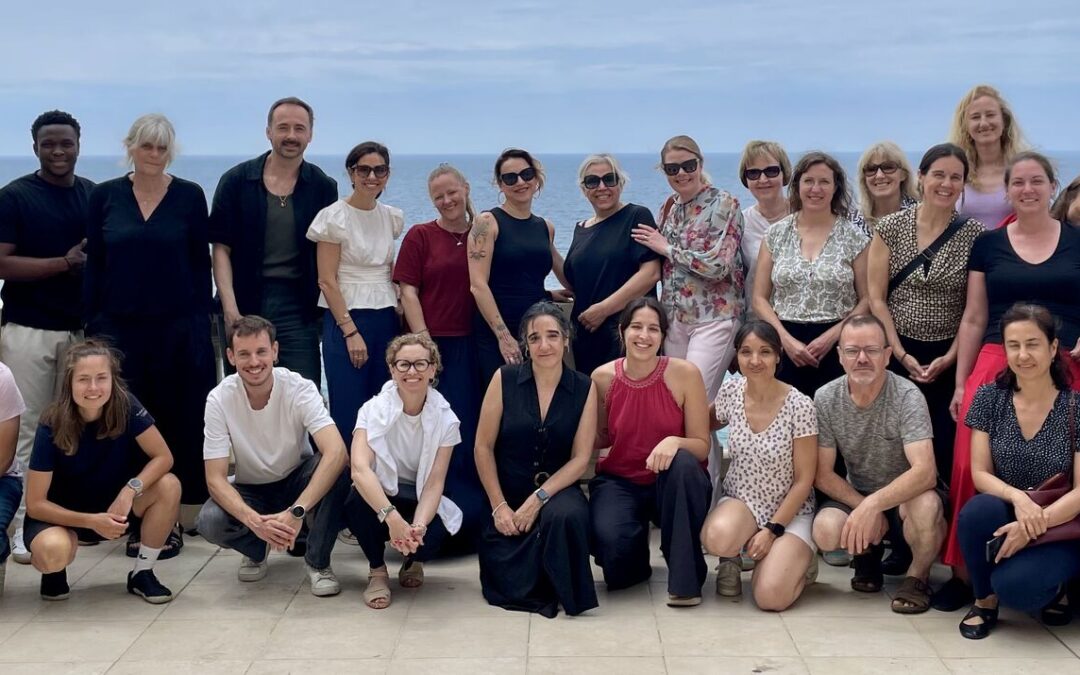
The RECETAS Consortium convened for its final annual meeting in the vibrant city of Marseilles, France, from 1–3 June 2026. This gathering marked the culmination of nearly six years of collaborative work, bringing together researchers, policymakers, and practitioners to reflect on achievements, share insights, and chart the path forward for social prescribing and community-based health interventions.
The meeting began with an inspiring keynote from Lois Giraud, One Health Director of the City of Marseilles, who reminded attendees: « Nature is not a backdrop or a resource. We are part of it, and in a time when our healthcare systems are overburdened, our cities are suffocating, we should act with nature, and not only against it. »
Sharing Insights and Findings
Consortium members from each pilot site shared quantitative and qualitative findings, highlighting the unique nuances of their contexts. Dr. Jill Litt, RECETAS Coordinator, alongside the statistics team, presented initial results of the pooled analysis, with plans to explore co-variables that influence how interventions like Friends in Nature (FiN) modify loneliness and Health-Related Quality of Life (HRQoL). The health economics team revealed impressive results, including a social return of €1.48 per €1 invested and a 5:1 return in Barcelona, with feedback provided on deliverable D5.4.
Theory of Change and Reflection
A review of the Delphi process, led by colleagues from the University of the West of England (UWE), helped define key messages emerging from the project. Marc Olivella from the Catalan Health Department discussed the steps required to scale interventions like FiN within local health systems. Carolyn Daher and Dr. Marta Fernandez led a workshop to identify target audiences for RECETAS’ evidence and the best ways to reach them, with participants designing short pitches tailored to different stakeholders. The day concluded with a presentation on the data compendium and repository (D1.3), including discussions on rights and usage agreements for RECETAS’ exploitable results.
Dr. Laura Coll Planas, Dr. Mat Jones, and Blanka Novotna led a Theory of Change workshop, where participants identified points of change along the Friends in Nature intervention journey. Building on pre-workshops conducted in the spring, the consortium synthesized insights from pre-assessment, intervention, and follow-up stages, pinpointing the « sparks of change » that drove impact. Breakout sessions delved deeper into health economics data and nature dose analysis, fostering rich discussions.
Dr. Jill Litt reflected on RECETAS’ achievements and explored opportunities to add value in research, knowledge transfer, and implementation. Anna Oje provided an update on Work Package 1 operational deadlines for finalizing project reporting and deliverables. The day closed with a workshop where consortium members shared achievements, commitments, and wishes for the future.
Public Engagement and Final Steps
The final day was optional and public-facing, featuring a 2-hour workshop led by Marc Olivella with representatives from the Marseilles City Council on implementing social prescribing interventions in local health systems. Teams also finalized graphic elements of the results (D6.2) and discussed commercialization and exploitation steps.
The meeting was a whirlwind of productivity, collaboration, and celebration. As the consortium reflected on the nearly six years of work, there were heartwarming moments of gratitude and pride in the tangible impact of RECETAS’ efforts. The event not only marked the end of a chapter but also the beginning of new opportunities to scale, adapt, and advance in the realm of social prescribing and community health.
The 5th RECETAS Annual Consortium Meeting underscored the power of collaboration, evidence-based practice, and community-driven solutions. As the project transitions to its next phase, the consortium remains committed to disseminating findings, advocating for policy change, and fostering partnerships to ensure the sustainability of social prescribing initiatives worldwide.
Commentaires récents