
Melbourne
Australia
The RECETAS project in Melbourne?
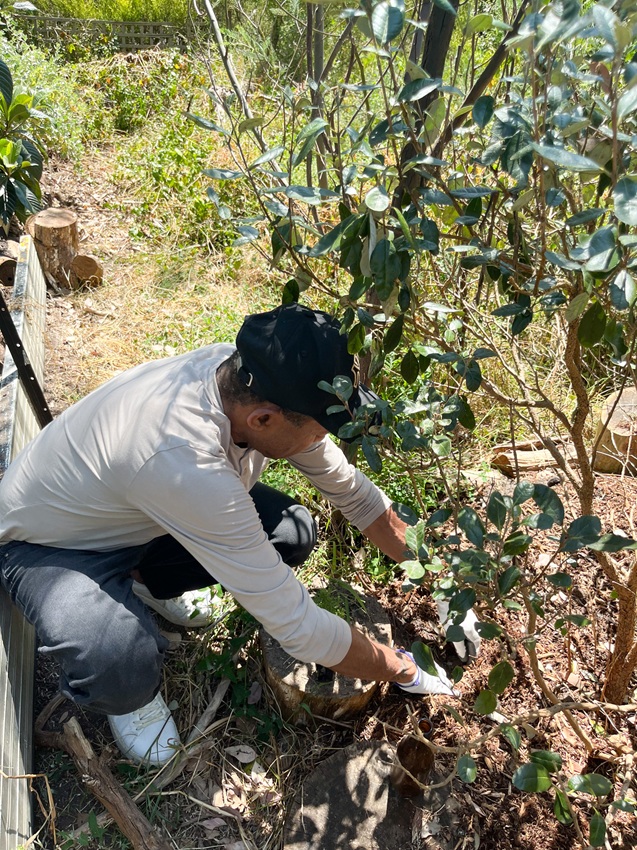
A range of urban green spaces across Melbourne served as settings for nature-based and social activities, including:
- Local parks and accessible urban green areas
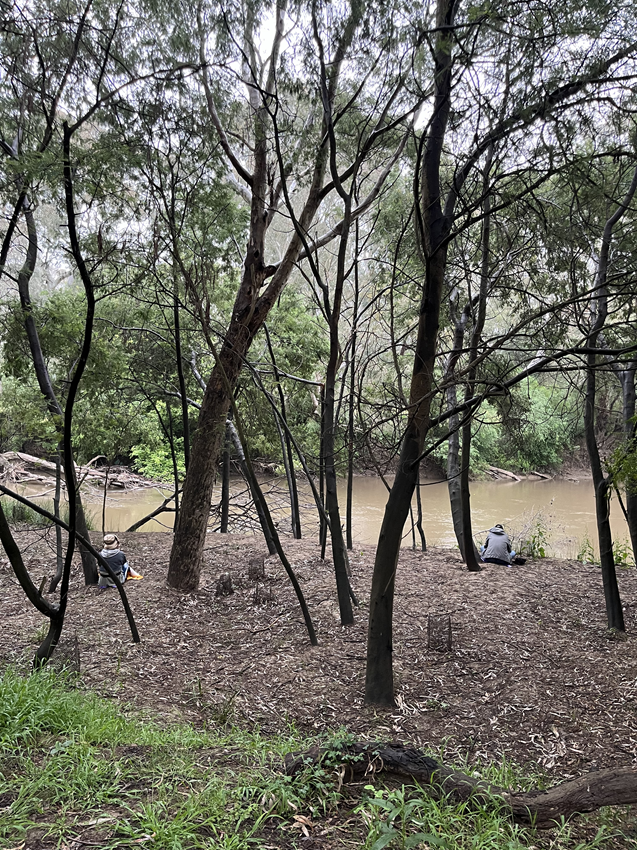
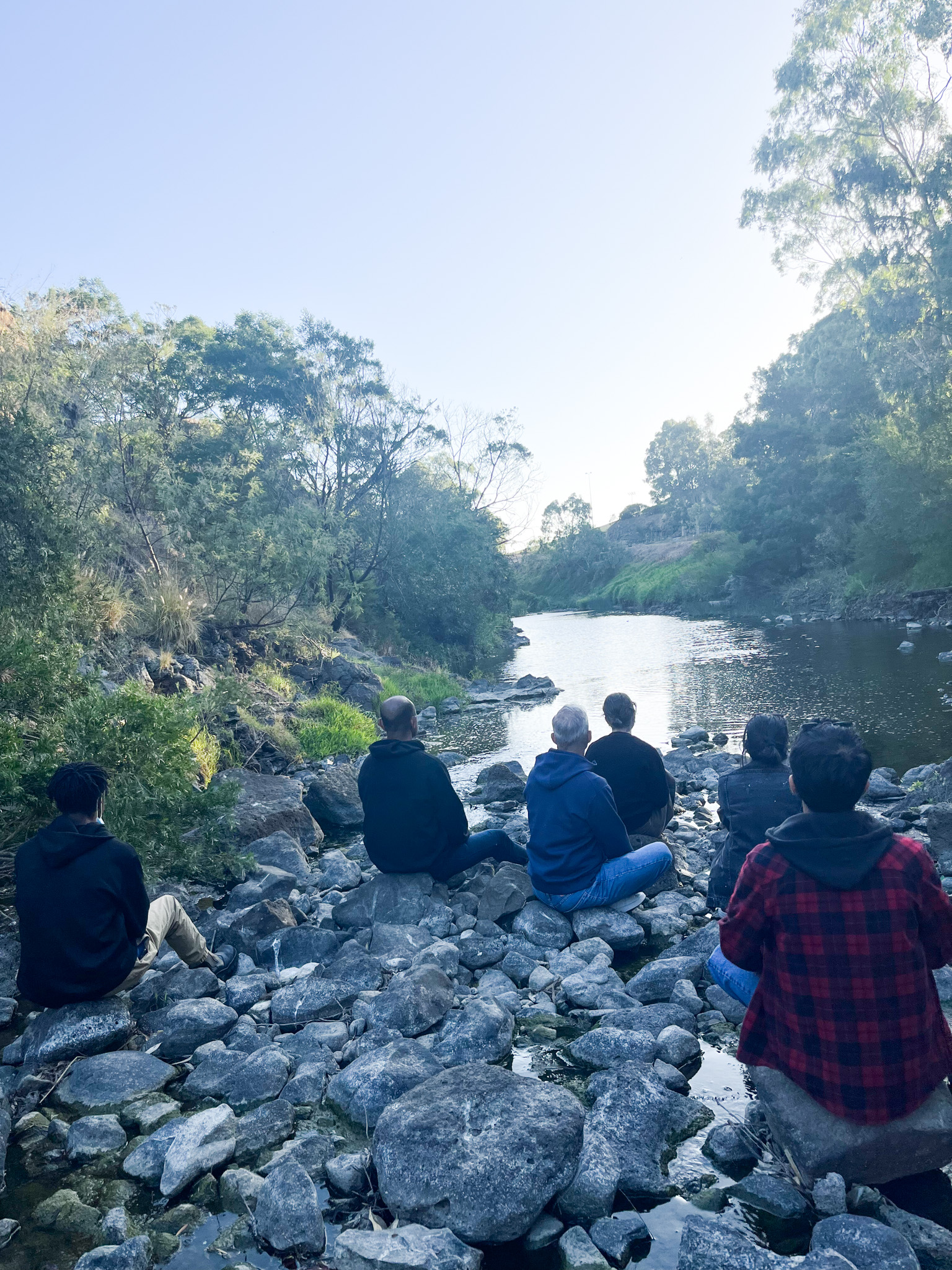
- Coastal and riverside environments
- Community gardens and outdoor meeting spaces
- Indoor and creative nature-inspired settings
A non-controlled exploratory intervention study with a pre–post design and one-year follow-up was carried out in collaboration with community partners.
Building Healthier and Better Socially Connected Communities Through Nature
Policy Recommandations:
> Policy Brief for Melbourne
> Policy Brief for Melbourne (Short Version)
How will nature-based and social activities be tested?
Our population identifies as LGBTQIA+ refugees and asylum seekers. RMIT worked with the ‘Many Coloured Sky’ foundation, which provides support to LGBTQI+ refugee and asylum seeker communities with capacity building, planning and project development. Specifically, we worked with a peer social support group that meets for activities, excursions, education, referrals, connections, networking, and emotional and practical support.
Non-controlled exploratory complex intervention studies with a pre–post design, with one-year follow-up, were undertaken.
Quantitative and qualitative methodologies were applied, with an expected sample size of 50- 75 participants.
Stakeholders included the City of Melbourne, Parks Victoria, Department of Health Victoria, Switchboard Victoria, ADMA - Australian Disease Management Association and more.
Immerse yourself in the world of RECETAS
Through the stories of the people who have been part of our groups in Melbourne, the places where they live and the reinvention of urban nature as a space for connection, resilience and well-being.
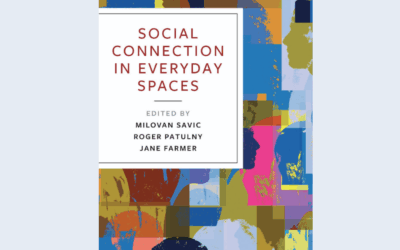
Publication: How Nature Can Foster Belonging and Wellbeing for LGBTQIA+ Asylum Seekers and Refugees
MIT researchers in collaborator with Many Coloured Sky) and ISGlobal, have co-authored a new book chapter.
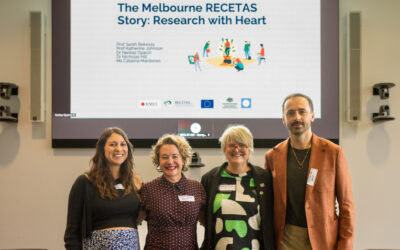
A Showcase for World Mental Health Day in Melbourne
The Melbourne team hosted a vibrant celebration of community-led approaches to mental health and social connection.
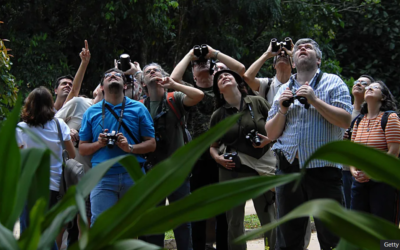
RECETAS featured in a BBC article: focus on Melbourne
Bat-watching, beach explorations and ‘sniff’ walks: How nature can provide a tonic for loneliness
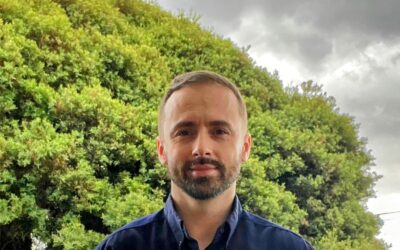
Spotlight on... Dr Nerkez Opacin – RMIT University
Get to know the members of the RECETAS team, meet Dr Nerkez Opacin, Research Fellow at the School of Global, Urban and Social Studies at the RMIT University.
About Melbourne
Melbourne is in the south-eastern part of mainland Australia, within the state of Victoria. Home to the First Australians for over 40,000 years, the Melbourne area served as a popular meeting place for local Kulin nation clans. The city is Australia’s second largest and is known as the culture, arts, music and sporting capital if the country. Melbourne has been ranked by the Economist Intelligence Unit as the world’s most liveable city for seven years in a row, from 2011 to 2017.
A city where problems of loneliness are observed…
1/4 Australians reported feelings of loneliness
50% of the population felt they lack companionship
15% of lonely Australians are more likely to be depressed
13% of lonely Australians are more likely to be anxious about social interactions
… and where the importance of nature is felt.
Adults in neighbourhoods where at least 30% of nearby land was parks, reserves and woodlands had 26% lower odds of becoming lonely compared to their peers in areas with less than 10% green space.
For people living on their own, the associations were even greater – in areas with 30% or more green space the odds of becoming lonely halved.
sources

City population
5 078 million

Population density
22,400/km²

City SDG index
73,9

Subjective well-being ranking
#11 (2020)

Average Temperature
14,5°C

Köppen classification
Oceanic Climate (Cbf)
Get in touch
Are you an organization based in Melbourne and dealing with these topics? Do you want to share your experience ? Are you interested in getting involved in RECETAS activities?
Contact us !
Pr. Katherine Johnson
Dean at the School for Global, Urban and Social Studies
katherine.johnson2@rmit.edu.au
Pr. Sarah Bekessy
Conservation scientist and Convenor of the ICON Science Group at the RMIT Centre for Urban Research
sarah.bekessy@rmit.edu.au
Dr. Nerkez Opacin
Research Fellow
nerkez.opacin@rmit.edu.au
Dr. Nicholas Hill
Visiting Research Fellow
nicholas.hill@rmit.edu.au